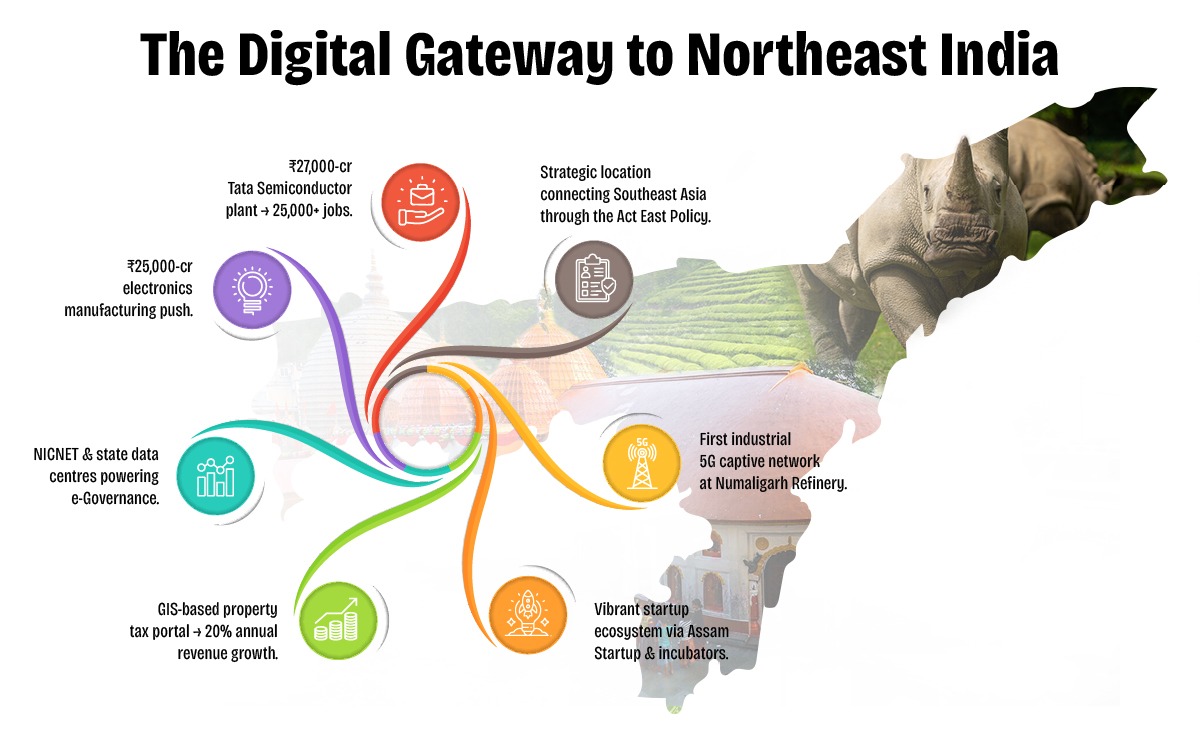
Assam is rapidly emerging as a digital innovation hub in Northeast India, driven by visionary policies and proactive governance under the Digital Assam initiative. With a growing IT ecosystem, expanding digital infrastructure, and a strong focus on e-Governance, the state is positioning itself at the forefront of India's digital transformation.
To further accelerate this journey, Elets Technomedia, in collaboration with the Information Technology Department, Government of Assam, is organising the National Digital Innovation Summit 2025 on 5-6 December in Guwahati. The summit will provide a platform for policymakers, industry leaders, innovators, and technologists to deliberate on strategies to advance the state's digital progress.

Sessions

Dynamic Speakers

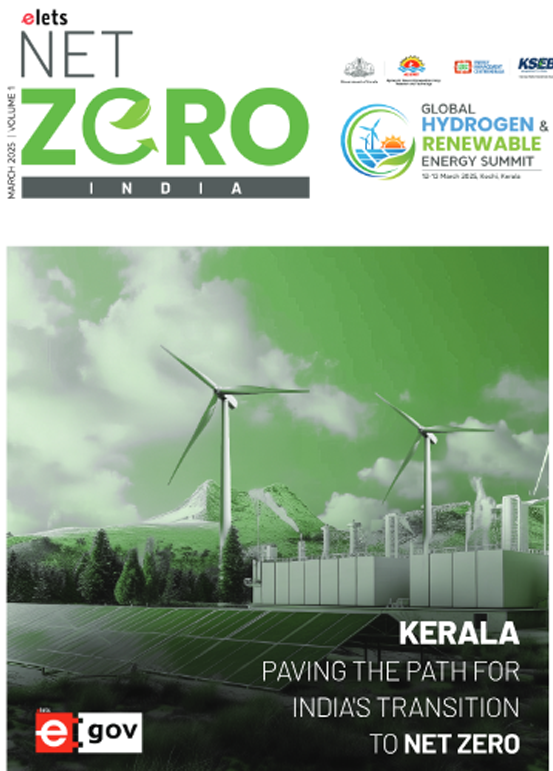
of Special eGov Magazine

featuring cutting-edge solutions

Networking
An Initiative By
Knowledge Partner

Host Partner
Supporting Partner
Powered By

Banking Partner
Gold Partners

Digital Transformation Partner

Secured Communications Technology Partner
Associate Banking Partner
Technology Partner

Data Center Partner

E-Governance Partner
Branding Partners

Supporting Partners


In today's digital age, social media platforms have become an integral part of young people's lives. Platforms like Facebook, Instagram, and Twitter (often colloquially referred to as "the Face" in some regions) have dramatically changed how individuals interact, form relationships, and perceive themselves and others. For many young people, particularly those in high school or "colegio," these platforms are not just tools for communication but also stages for self-expression and validation. Peer Relationships in the Digital Era The dynamics of peer relationships have also evolved with the advent of social media. Friendships, romantic relationships, and even conflicts now often have an online component. The way young people interact with each other online can significantly impact their self-esteem, mental health, and understanding of social norms. The Phenomenon of "Colegialas Guarras del Face" Without a direct translation, one might infer that "colegialas guarras del face" could refer to a specific group or phenomenon related to young women (or possibly a broader group) who are active on social media, known for certain behaviors or trends. This could involve anything from fashion and beauty standards to more complex social dynamics, including conflicts or forms of social exclusion. Implications and Reflections The influence of social media on youth cannot be overstated. As these platforms continue to evolve, so too do the ways in which young people interact with each other. This evolution brings both positive and negative implications. On the one hand, social media offers unprecedented opportunities for connection, learning, and self-expression. On the other hand, it poses risks related to cyberbullying, body image issues, and the pressure to present a curated online persona. Conclusion In conclusion, while the specific term "colegialas guarras del face" may not be widely recognized or may have a very specific cultural or regional context, the themes it touches on—youth, social media, and peer dynamics—are of significant relevance. Understanding these dynamics is crucial for parents, educators, and policymakers as they seek to support young people in navigating the complexities of the digital age. By fostering open conversations and promoting healthy online behaviors, we can work towards creating a safer and more positive online environment for everyone.
Digital Transformation in Governance
Startups, Innovations & Entrepreneurial Growth in Northeast India
Artificial Intelligence (AI) for Inclusive Growth
Cloud, Data & Cybersecurity for a Secure Digital Future
Digital Infrastructure & Connectivity in Northeast India
Skilling, Capacity Building & Future Workforce Development
E-Governance & Citizen-Centric Service Delivery
In today's digital age, social media platforms have become an integral part of young people's lives. Platforms like Facebook, Instagram, and Twitter (often colloquially referred to as "the Face" in some regions) have dramatically changed how individuals interact, form relationships, and perceive themselves and others. For many young people, particularly those in high school or "colegio," these platforms are not just tools for communication but also stages for self-expression and validation. Peer Relationships in the Digital Era The dynamics of peer relationships have also evolved with the advent of social media. Friendships, romantic relationships, and even conflicts now often have an online component. The way young people interact with each other online can significantly impact their self-esteem, mental health, and understanding of social norms. The Phenomenon of "Colegialas Guarras del Face" Without a direct translation, one might infer that "colegialas guarras del face" could refer to a specific group or phenomenon related to young women (or possibly a broader group) who are active on social media, known for certain behaviors or trends. This could involve anything from fashion and beauty standards to more complex social dynamics, including conflicts or forms of social exclusion. Implications and Reflections The influence of social media on youth cannot be overstated. As these platforms continue to evolve, so too do the ways in which young people interact with each other. This evolution brings both positive and negative implications. On the one hand, social media offers unprecedented opportunities for connection, learning, and self-expression. On the other hand, it poses risks related to cyberbullying, body image issues, and the pressure to present a curated online persona. Conclusion In conclusion, while the specific term "colegialas guarras del face" may not be widely recognized or may have a very specific cultural or regional context, the themes it touches on—youth, social media, and peer dynamics—are of significant relevance. Understanding these dynamics is crucial for parents, educators, and policymakers as they seek to support young people in navigating the complexities of the digital age. By fostering open conversations and promoting healthy online behaviors, we can work towards creating a safer and more positive online environment for everyone.
































& many more...

Copyright © 2026 Leading Matrix
Elets Technomedia, a leading technology research and media organisation, has established a robust global presence since 2003, expanding across India, Malaysia, Sri Lanka, Bangladesh, the UK, the Middle East, and beyond. Driven by a vision to explore new frontiers in tech-led innovation for a better world, Elets pioneers impactful knowledge-sharing platforms, including global conferences, webinars, and research-driven publications. Bringing together the finest policymakers and industry leaders, Elets creates impactful synergies to drive a future-ready world.


COPYRIGHT © 2025. ALL RIGHTS RESERVED BY ELETS TECHNOMEDIA PVT LTD.