Gg Dutamovie21 Link «INSTANT – GUIDE»

Build confidence, precision, and consistency — with the most advanced practice app for musicians. The app trusted by Broadway musicians, Juilliard students, and teachers worldwide.

Trusted by 1M+ musicians worldwide
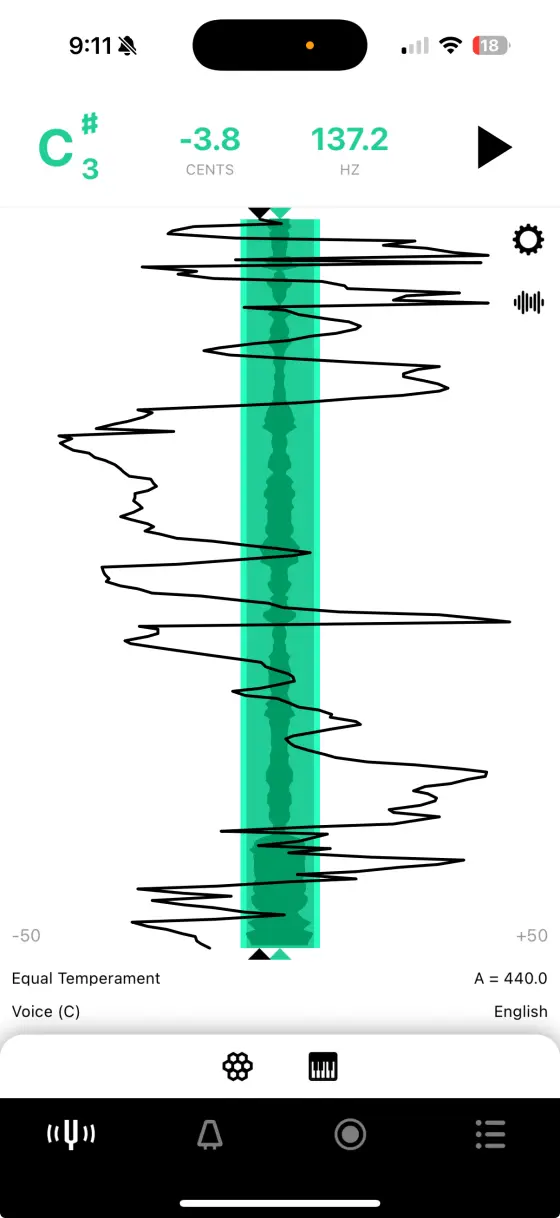
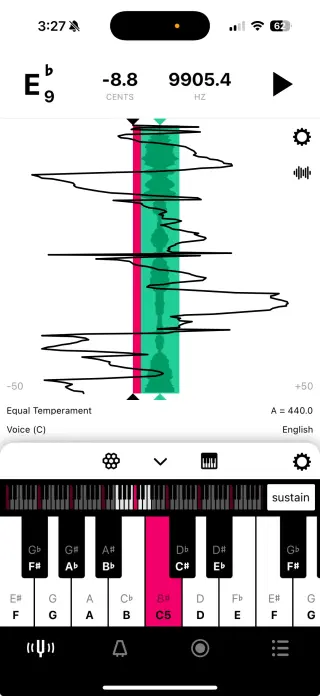
Tunable chromatic tuner showing real-time pitch detection and Sustained Pitch History

Trusted by millions worldwide

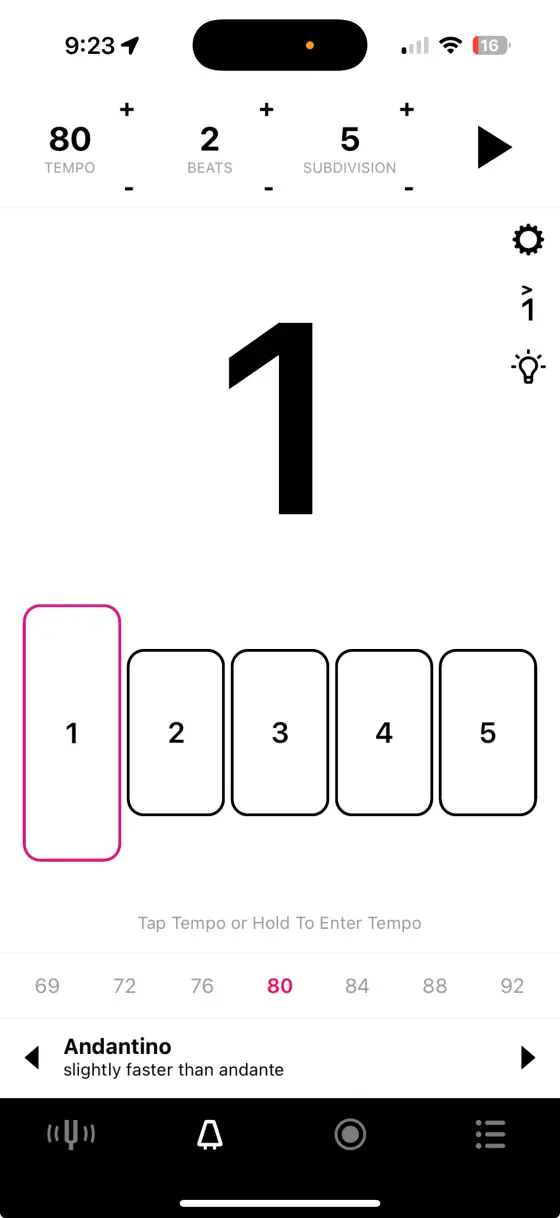
The best tuner, metronome, and recorder on iOS and a pitch-perfect bargain for any musician.
MacLife • Technology Review

Trusted by

Tunable is used by students and faculty at the Juilliard School, Berklee College of Music, Broadway productions, and Music Teachers Association members worldwide.

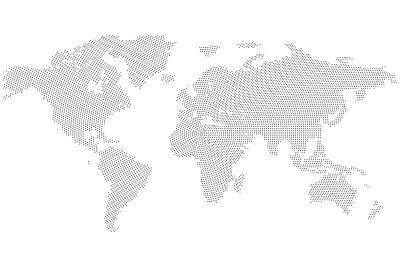
World map showing Tunable users across six continents
For Every Musician

From classroom to concert hall

Tunable grows with you. Start as a beginner, develop your skills, and join the ranks of professionals who rely on Tunable every day.

🎓

Students & Beginners

Build confidence with practice feedback and clear visual cues

🎭

Professional Musicians

Broadway musicians and Juilliard students trust Tunable for precision

👨‍🏫

Music Teachers

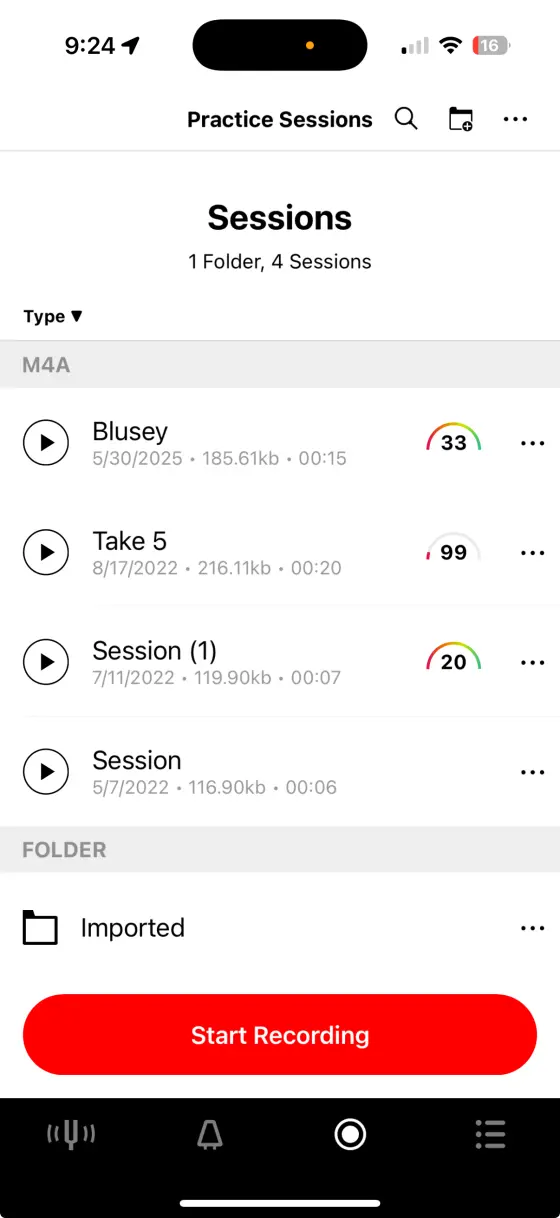
Share recordings and track student progress with detailed analytics

Young student taking first steps in music with Tunable practice app

First Steps

"Perfect for building confidence in young musicians"

Beginner
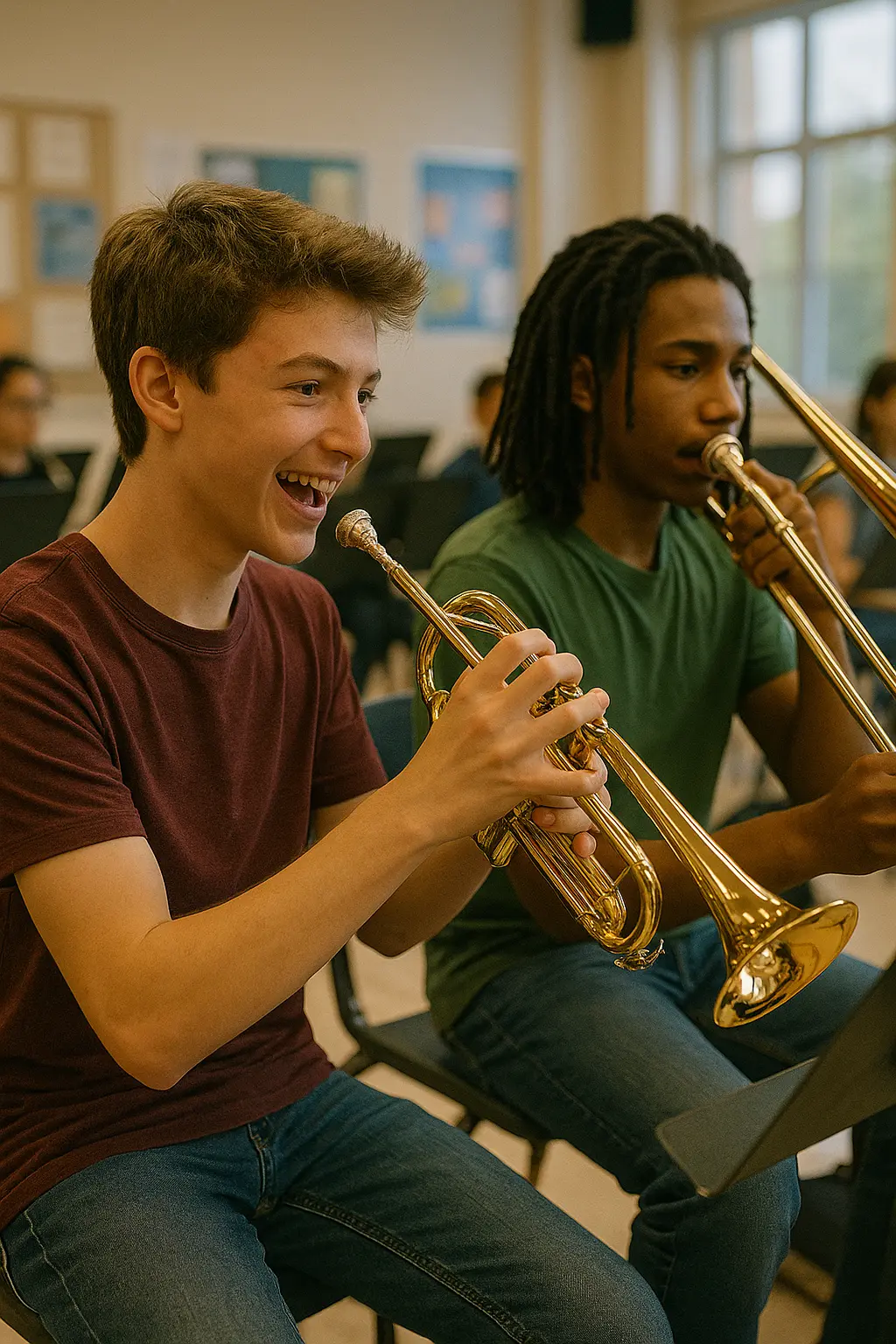
Students practicing together in ensemble using synchronized metronome

Ensemble Practice

"Synchronizes timing across multiple instruments"

School Band
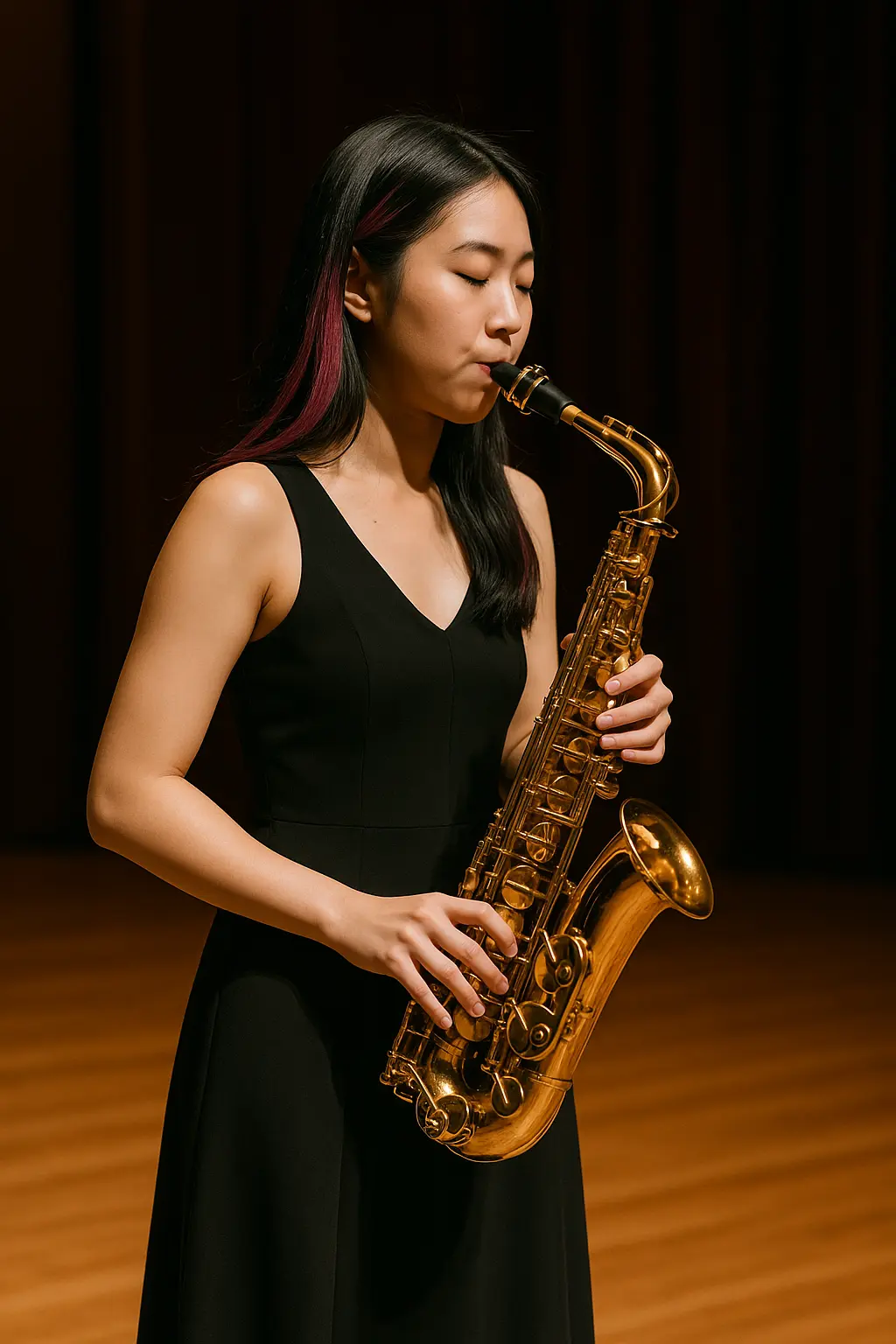
Student performing at Juilliard recital after practicing with Tunable

Elite Training

"Trusted by conservatory students worldwide"

Juilliard
Professional Broadway orchestra musicians who use Tunable

Broadway Orchestra

"Trusted by professional musicians on Broadway stages"

Broadway

Gg Dutamovie21 Link «INSTANT – GUIDE»

Her search pulled her through a tangle of internet rooms. There were well-worn archives of old streaming sites, rebranded pages with recycled templates, and aggregator lists that masqueraded as directories. Here the phrase meant different things to different communities: to cinephiles it hinted at a cache of rare films; to casual viewers it was a simple shortcut to a desired title; to those who watched from the margins it was survival — a cheap, fleeting access to stories otherwise paywalled.

The phrase also exposed tensions around ownership and access. For every user celebrating a found film, there was a copyright holder alarmed by unauthorized distribution; for every restored gem, there was the risk of the same content being monetized without credit. Debates flared in comment threads and group chats: was the distribution an act of preservation or theft? Could cultural heritage ever be fully reconciled with commercial frameworks? The answer was messy and context-dependent.

One night, after months of tracing echoes, Mara found a stable archive hosted by volunteers: a catalog of regional films digitized with care, each entry annotated and sourced. The listing gave no flashy shorthand, just a sober URL and an acknowledgement of rights where possible. She sent a brief, grateful note to the project’s maintainer. The reply was a single line: “Share what’s worth saving. Use the tags so others can find it — gg if it helps.”

Ultimately, "gg dutamovie21 link" was less about one destination and more about what it represented — the modern intersection of desire, technology, and community. It showed how people negotiate scarcity: by inventing codes, forming networks, and sharing knowledge outside official channels. It revealed collective ingenuity and the moral gray zones tethered to it.

Mara discovered that these signals rarely lived in isolation. They were embedded in comments that read like coordinates: timestamps for obscure scenes, usernames that doubled as curator handles, mismatched language that suggested transnational traffic. The phrase migrated through languages and platforms, like a folk song adapted by every singer. Some links led to troves of forgotten cinema — black-and-white dramas with subtitles, festival darlings that never reached theaters. Others led nowhere, expired or blocked by algorithms. Still others were traps: phishing pages, ad-laden dead ends, or vectors for malware.


Her search pulled her through a tangle of internet rooms. There were well-worn archives of old streaming sites, rebranded pages with recycled templates, and aggregator lists that masqueraded as directories. Here the phrase meant different things to different communities: to cinephiles it hinted at a cache of rare films; to casual viewers it was a simple shortcut to a desired title; to those who watched from the margins it was survival — a cheap, fleeting access to stories otherwise paywalled.

The phrase also exposed tensions around ownership and access. For every user celebrating a found film, there was a copyright holder alarmed by unauthorized distribution; for every restored gem, there was the risk of the same content being monetized without credit. Debates flared in comment threads and group chats: was the distribution an act of preservation or theft? Could cultural heritage ever be fully reconciled with commercial frameworks? The answer was messy and context-dependent.

One night, after months of tracing echoes, Mara found a stable archive hosted by volunteers: a catalog of regional films digitized with care, each entry annotated and sourced. The listing gave no flashy shorthand, just a sober URL and an acknowledgement of rights where possible. She sent a brief, grateful note to the project’s maintainer. The reply was a single line: “Share what’s worth saving. Use the tags so others can find it — gg if it helps.”

Ultimately, "gg dutamovie21 link" was less about one destination and more about what it represented — the modern intersection of desire, technology, and community. It showed how people negotiate scarcity: by inventing codes, forming networks, and sharing knowledge outside official channels. It revealed collective ingenuity and the moral gray zones tethered to it.

Mara discovered that these signals rarely lived in isolation. They were embedded in comments that read like coordinates: timestamps for obscure scenes, usernames that doubled as curator handles, mismatched language that suggested transnational traffic. The phrase migrated through languages and platforms, like a folk song adapted by every singer. Some links led to troves of forgotten cinema — black-and-white dramas with subtitles, festival darlings that never reached theaters. Others led nowhere, expired or blocked by algorithms. Still others were traps: phishing pages, ad-laden dead ends, or vectors for malware.
Start your musical journey today

Join millions of musicians who practice with confidence. Download Tunable and discover what you're truly capable of.

Works on iPhone and Android
No ads, no subscriptions required